In modern football, clubs do not only compete on the pitch: they also seek cooperation models that allow them to grow sustainably. Football club collaborations have become a key tool to strengthen structures, expand markets, and enhance both sporting and institutional development.
Sporting Advantages
- Talent exchange: strategic loans or youth player transfers to complementary leagues, gaining valuable competitive experience before returning.
- Academy development: sharing scouting and training methodologies professionalizes youth development and creates a continuous flow of talent from grassroots to elite.
- International scouting: shared access to databases, player reports, and networks multiplies opportunities for talent identification in global markets.
- Methodology and know-how: transferring training models, strategic planning, or performance analysis systems raises the competitive level of both clubs.
- International projects: organizing tours, friendly tournaments, or joint camps strengthens the brand and generates new exposure opportunities.
- Staff and coach development: exchanges of coaches, analysts, and fitness or medical staff enrich experience and build a culture of continuous improvement.
- Transfer market bridge: alliances facilitate future transfers and help increase player value that otherwise might go unnoticed.
Institutional and Private Advantages
- Executive relationships: travel, hospitality, and networking that build trust and open doors to medium- and long-term projects.
- Private business opportunities: although not always in the official agreement, collaborations can lead to investments in tourism, education, or real estate sectors.
- Cross-sponsorships: local sponsors of one club find entry channels into new markets through the other, creating economic value for both.
Real-Life Examples of Club Cooperation
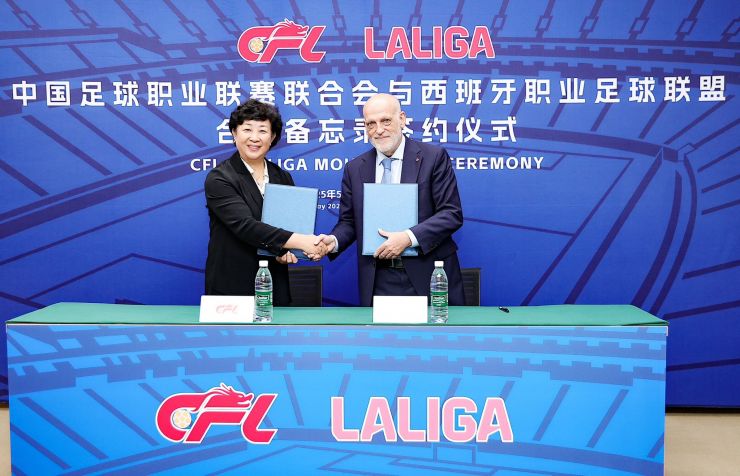
- LaLiga (Spain) and the Chinese Football League (China): cooperation agreement until 2029 to share technical and business knowledge.
- Rangers (Scotland) and lower-league clubs: loan agreements with Raith Rovers, Alloa Athletic, and Stirling Albion to give 16–21-year-old talents competitive minutes.
- Celta de Vigo (Spain): a network of agreements with Galician clubs, integrating both male and female youth development projects.
- San Diego FC (USA) and Club América (Mexico): multi-year alliance including friendly matches, marketing, and community activities.
- Bayern Munich (Germany) and Los Angeles FC (USA): creation of Red&Gold Football, a global youth talent development project.
A Growing Model
Recent examples show how these agreements are no longer an exception but a consolidated trend. From major European clubs building global networks to mid-sized teams seeking internationalization, collaboration offers competitive advantages that are difficult to achieve alone.
Conclusion
For a club, collaborating with another does not mean losing identity but multiplying opportunities. In a globalized environment, smart alliances are a strategic lever for growth both on and off the pitch.
🔗 At EFC, we help clubs and academies design strategic collaborations that generate real impact in both sporting and institutional areas. Want to know how to apply it to your club? Discover our strategic planning services