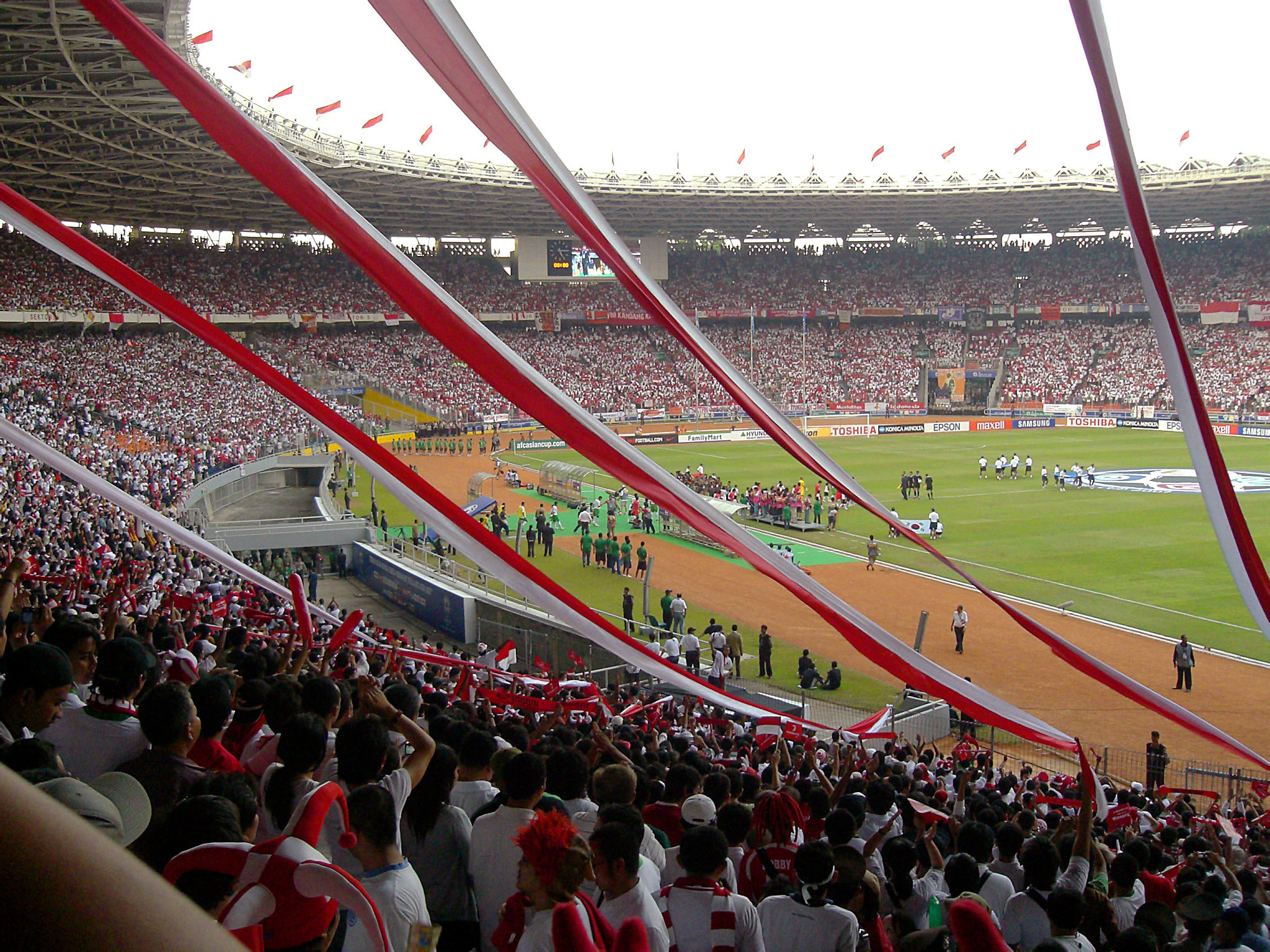
University football in Japan, organized by the JUFA (Japan University Football Association), has become a crucial platform for player development. Every year, thousands of U-23 players compete in high-level tournaments, combining academic education and athletic training in a model that is increasingly gaining international recognition.
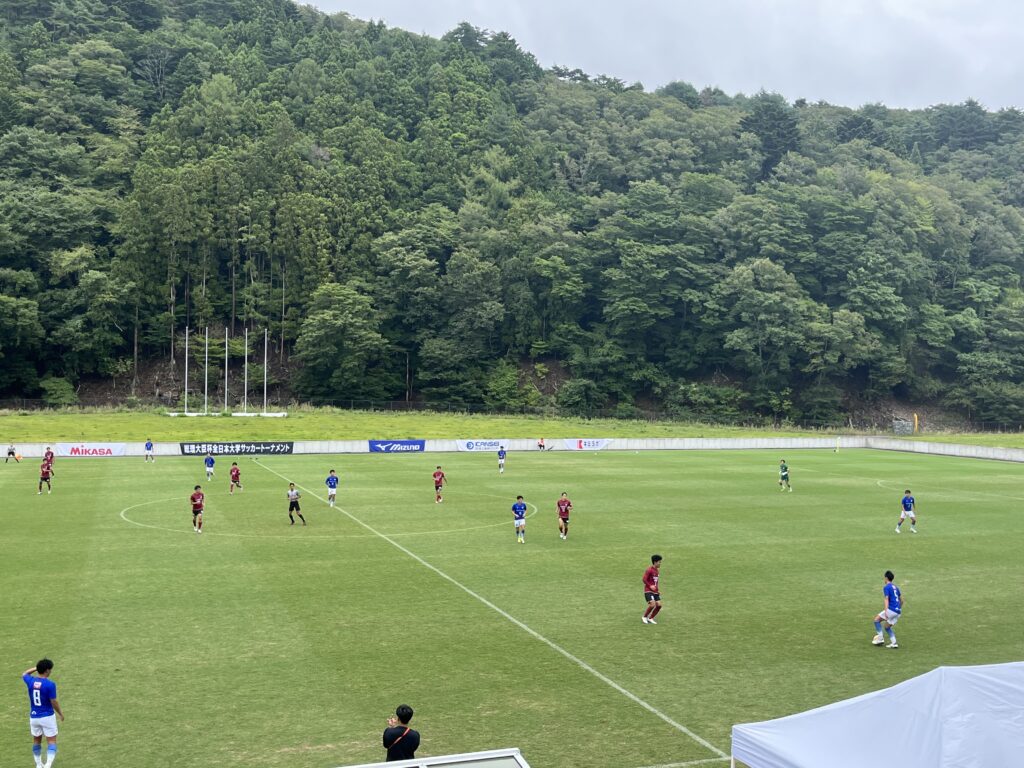
During my recent visit to the JUFA University Tournament, I witnessed first-hand the discipline, physical preparation, and adaptability that characterize these players. Combined with the growing professionalization of the Japanese ecosystem, university football has become a strategic pathway to supply European football with talent in the coming years.
Advantages of Japanese University Football
- Dual education (academic + athletic): student-athletes pursue higher education while competing at a high level, which develops maturity and responsibility.
- Discipline and work ethic: Japanese players stand out for their commitment, teamwork, and competitive mindset.
- Consolidated competitive structure: well-organized tournaments, strong local following, and a tradition of player development.
- International projection: many U-23 players have the physical and technical qualities to adapt to European leagues, at accessible costs and with high potential upside.
- Free-transfer players: since most are not under professional contracts, many university footballers can join European clubs without transfer fees, reducing investment risks and facilitating negotiations.
Success stories in Europe
Japanese university football has already started producing exports to Europe:
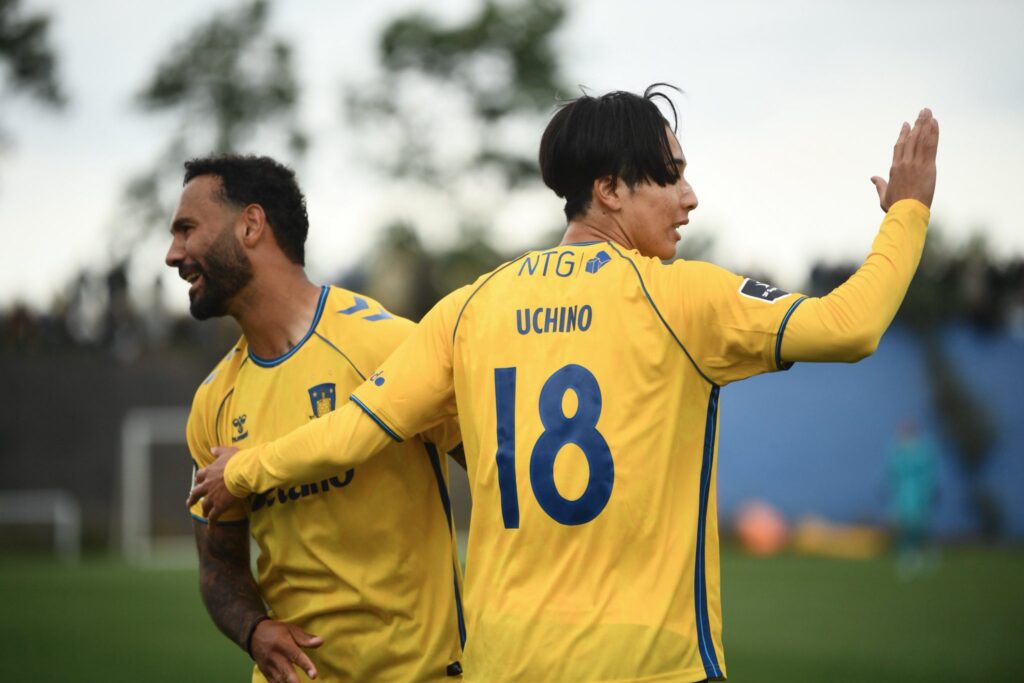
- Kotaro Uchino (University of Tsukuba) recently signed with Brøndby IF in Denmark, a clear example of how European clubs are looking at Japan’s university system.
- Kaoru Mitoma, also a product of the University of Tsukuba, joined Kawasaki Frontale before moving to Brighton & Hove Albion in the Premier League, where he has become one of the most outstanding Japanese players worldwide.
These cases show that the university model not only develops competitive players but also elite profiles capable of succeeding in Europe’s top leagues.
Differences with the European model
While in Europe player development is concentrated in club academies, in Japan the university system has become a natural bridge between youth football and the professional stage. This allows players to reach 21-23 years old with a more complete profile: higher education, competitive experience, personal maturity, and contractual availability.
Opportunities for European Football
Japanese university football offers real opportunities to:
- Recruit U-23 talent with strong growth potential.
- Incorporate adaptable players with cultural and tactical flexibility.
- Reduce financial risks thanks to the possibility of free transfers.
- Explore strategic agreements with universities and Japanese federations to access this talent pool in a structured way.

Conclusion
Japanese university football is not only a local competitive platform but also a strategic talent pool that Europe cannot ignore. The cases of Uchino and Mitoma are proof of a pathway that will continue to grow in the coming years, with more players ready to bring quality, discipline, and a winning mentality to European football.
The Role of EFC
At EFC Consultancy, we help connect Japanese university talent with European clubs, offering a direct bridge between players and teams. Our goal is to ensure the arrival of well-prepared profiles with high potential, through a rigorous selection process tailored to each sporting project.