Introduction
Football in South Korea is undergoing a phase of transformation. Despite having a solid foundation in talent development and a mature sports culture, the export of South Korean players abroad still faces structural and logistical barriers.
In this case study, EFC analyzes the South Korean football ecosystem from the perspective of an export-oriented model, evaluating its progress, challenges, and potential as a source market for talent heading to Europe and other international leagues.
Current situation of the K League: limited growth and structural gaps
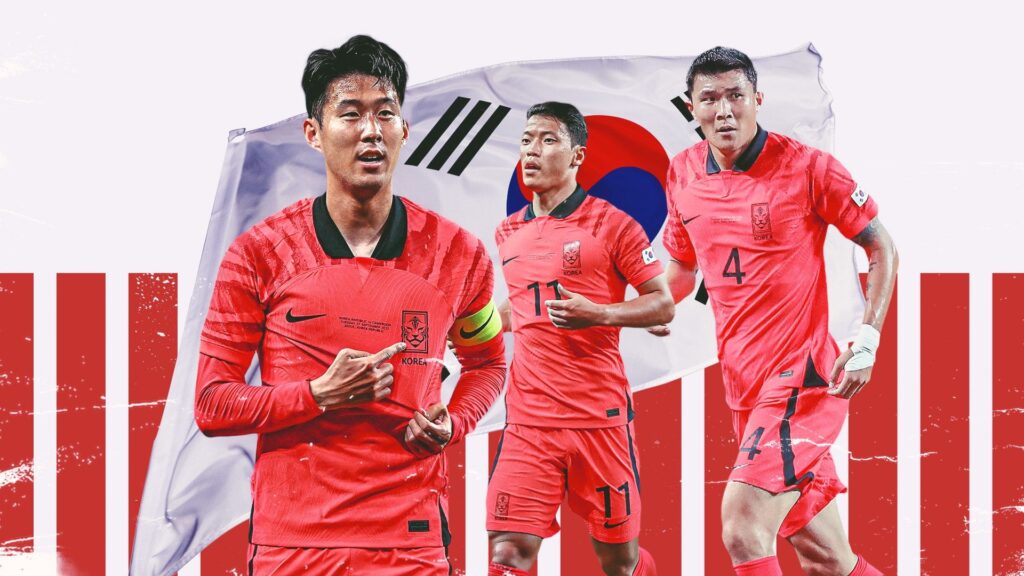
Despite historical clubs such as Jeonbuk Hyundai Motors or Ulsan HD, the K League 1 remains limited to only 12 teams, with a stable competitive format but low international media projection. Its market value is around €144 million, with major disparities between clubs backed by conglomerates and those funded by local governments.
In the last three years, Ulsan has dominated sportingly, while other clubs attempt to modernize tactically. However, structural realities limit the league’s growth:
- Low levels of foreign investment.
- Restrictive federation policies (such as the ban on foreign goalkeepers, lifted only as of 2026).
- Lack of clear strategies to promote talent export.
The Korean paradox: strong youth development, but late export
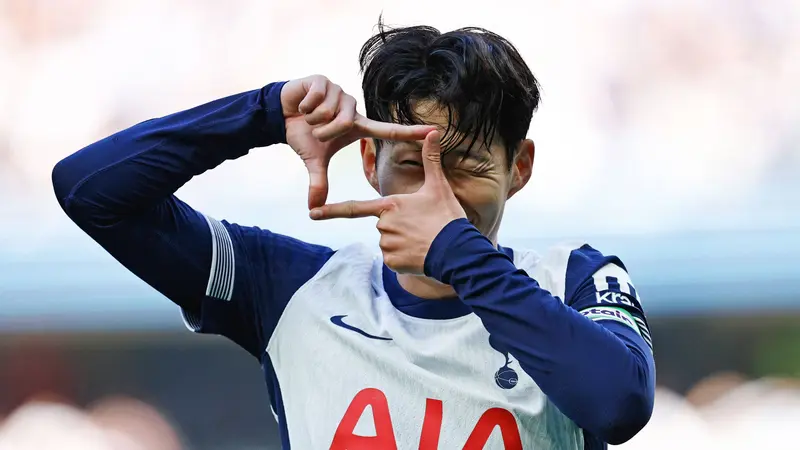
Korea has a solid development system based on high schools and universities, having produced elite talents such as Son Heung-min, Lee Kang-in, or Kim Min-jae. However, recent studies show that the average age for Korean players to move to Europe is 23.2 years, relatively late compared to markets like Brazil or Senegal.
Main causes:
- Restrictive club contracts.
- Mandatory military service that interrupts careers (except for players with international achievements).
- Lack of structured “bridging” routes to mid-tier European leagues.
Nevertheless, Korean players show a high “survival rate” in Europe. Their adaptability, tactical discipline, and resilience make them highly valued profiles in European football.
Key reforms underway: signs of openness
The Korean federation has started to implement changes that could lay the groundwork for a more open model:
- Elimination of the Asian quota starting in 2025.
- Foreign goalkeepers allowed from 2026.
- Calendar review to align with AFC competitions.
- Openness to collaboration models with international clubs and groups (e.g., Red&Gold and Jeju SK FC).
These developments point toward greater internationalization, but a long-term integrated strategy is still needed.
5 keys to boost Korean talent export
- Implement a national talent export plan involving federation, clubs, agents, and government.
- Build partnerships with European clubs in bridge leagues (Belgium, Portugal, Austria) to facilitate progressive player adaptation.
- Optimize contracts with realistic release clauses, training compensation, and sell-on clauses.
- Invest in infrastructure and scouting to raise the competitive standard of the K League and enhance visibility.
- Promote international exposure and development programs (U23 tournaments, training camps, scholarship programs in Europe).
Conclusion: an opportunity that requires strategy
South Korea has the human, cultural, and sporting foundations to become a relevant player in the global football talent market. The challenge is not producing talent, but creating an efficient ecosystem to develop, position, and transfer it in ways that benefit the player, the club, and the country.
At EFC, we support clubs, federations, and private entities in designing strategic export plans, international scouting programs, and global sports alliances. Korean football is at a crossroads. The window is open. Will it take the leap?