Lessons. Players. Roadmap
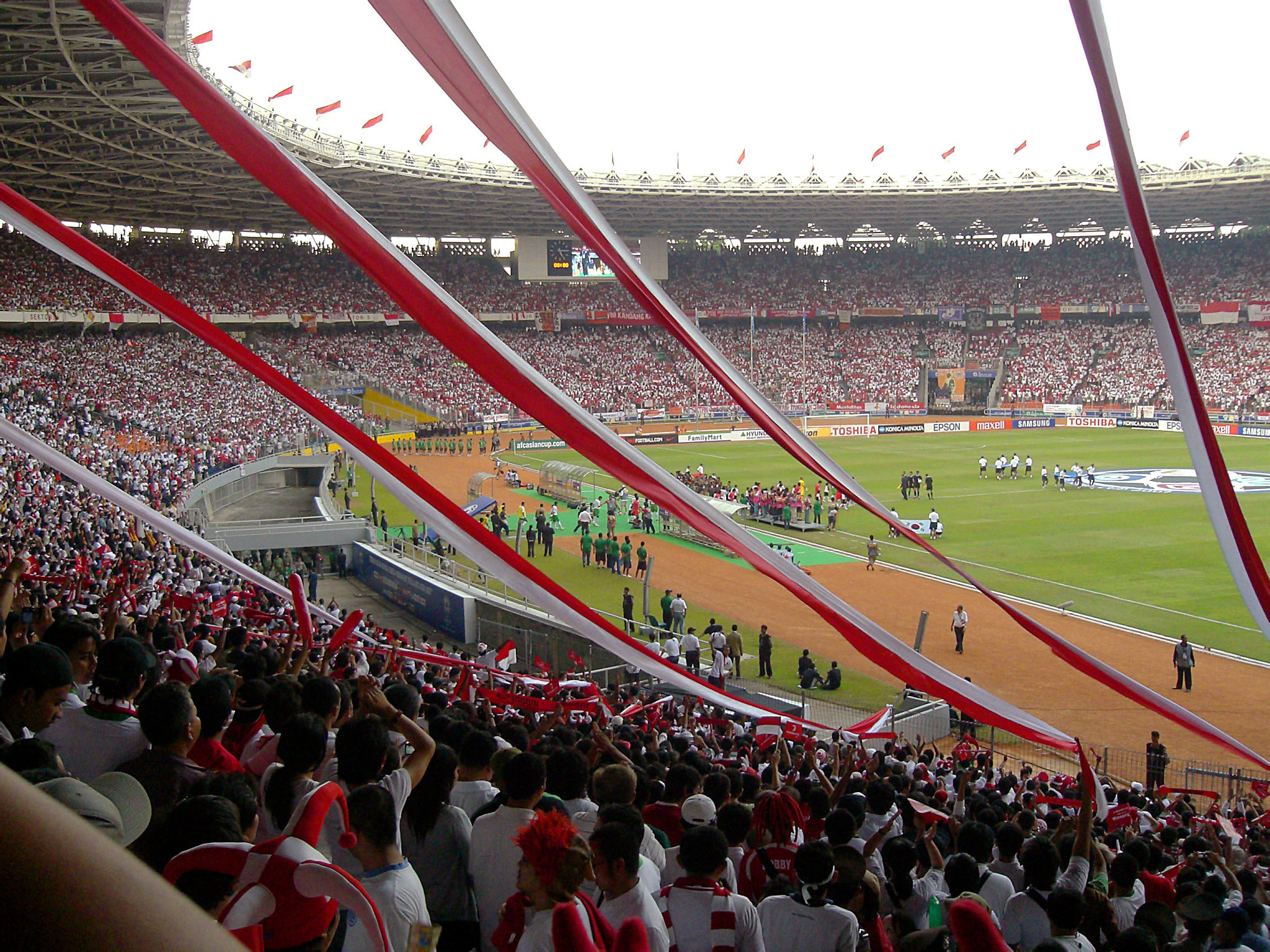
The FIFA U-20 World Cup in Chile 2025 offered more than just results — it revealed how Asia’s football ecosystem is evolving. While Europe and South America continue to dominate, Japan, South Korea, Saudi Arabia, and Australia showed that the gap is no longer about talent, but structure, exposure, and continuity.
The Four from Asia
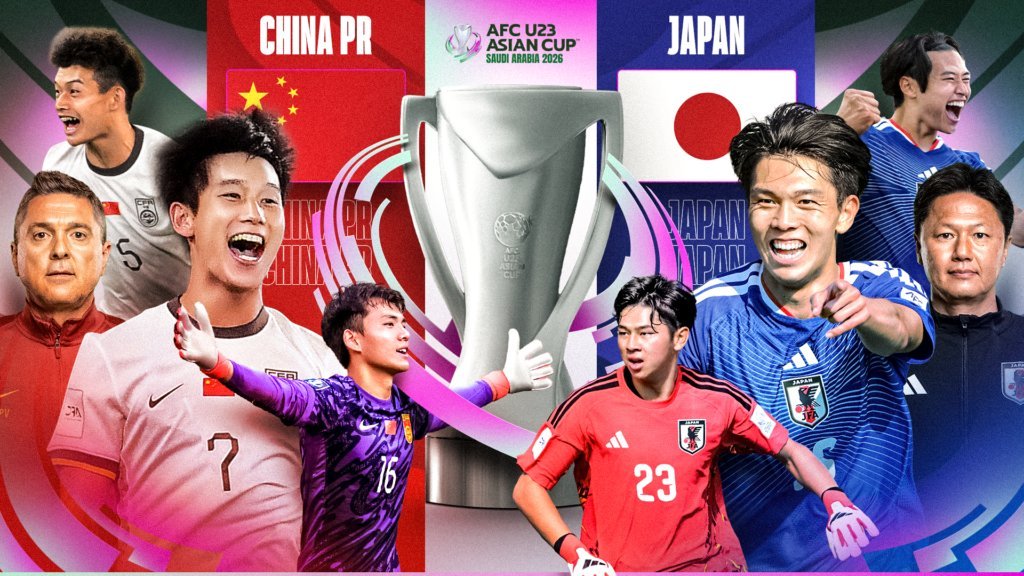
The four Asian nations earned their place through the AFC U-20 Asian Cup 2025, a tournament that confirmed the region’s competitive growth. Australia lifted the trophy after beating Saudi Arabia, with Japan and South Korea completing a final four that represented contrasting but complementary football cultures:
- 🇯🇵 Japan – structure, positional play, and technical discipline
- 🇰🇷 South Korea – verticality, pressing, and physical intensity
- 🇸🇦 Saudi Arabia – tactical evolution after domestic reform
- 🇦🇺 Australia – compact, balanced, and physically mature
Each entered Chile with a clear mission: to test their new generations against global standards.
🇯🇵 Japan: Structure Meets Reality
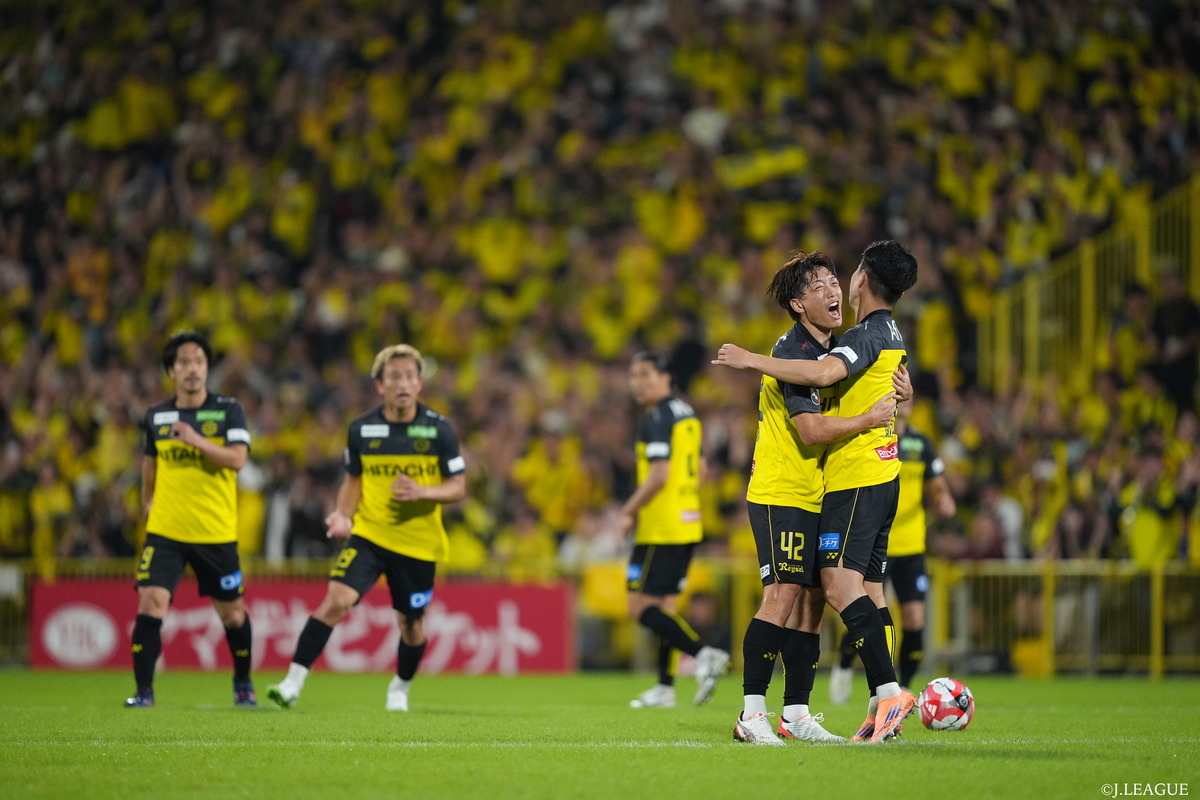
Japan’s U-20 team confirmed its DNA: control, organization, and clarity in buildup. Their 2–0 win over Egypt was a showcase of efficiency and tactical order, but as the tournament advanced, familiar issues reappeared — adaptation to tempo and physicality. Still, the individual profiles stood out:
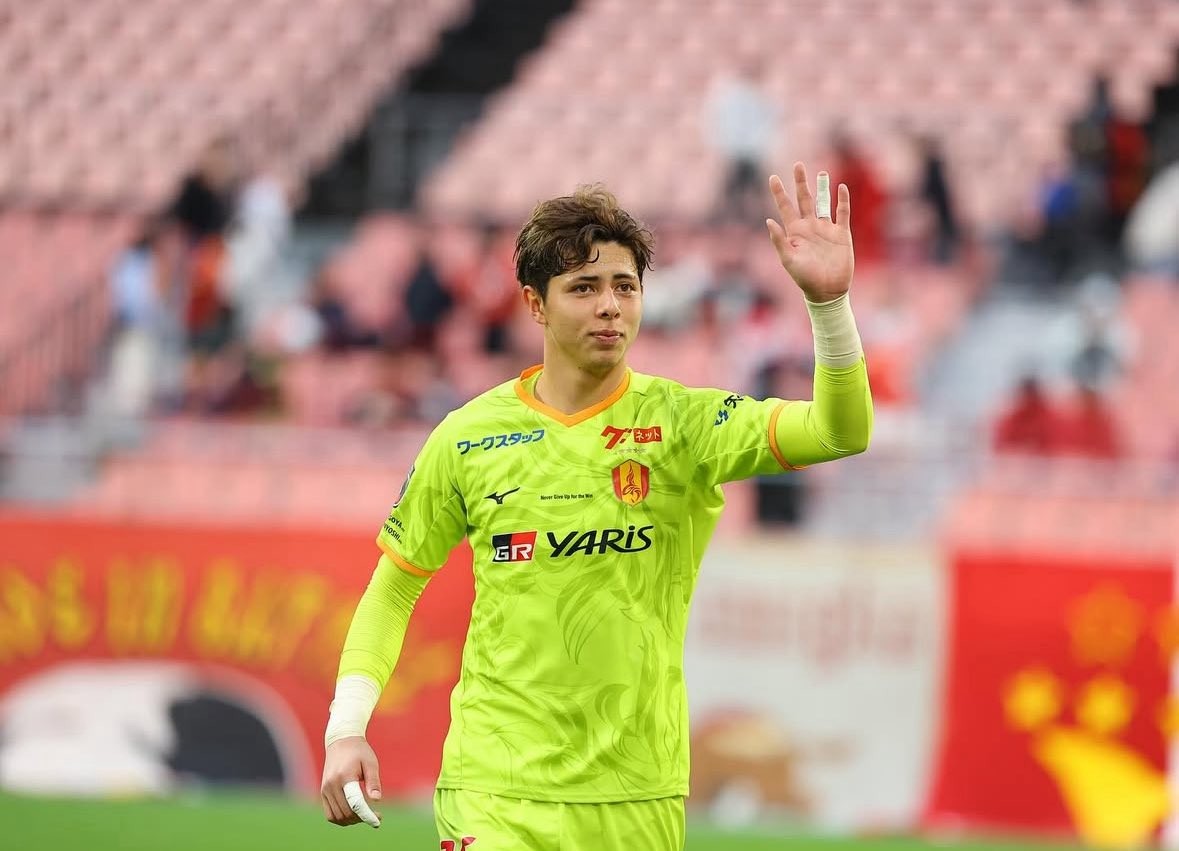
- Alexandre Pisano (Nagoya Grampus) – modern 1.97m goalkeeper with European projection.
- Keita Kosugi (Djurgården, Sweden) – already adapted to European football, consistent full-back.
- Kazunari Kita & Rion Ichihara – strong defensive pair, both with potential to export.
- Hisatsugu Ishii – classic No. 9 with finishing instinct and good timing.
Japan’s next step: turn structure into adaptability under high-pressure conditions.
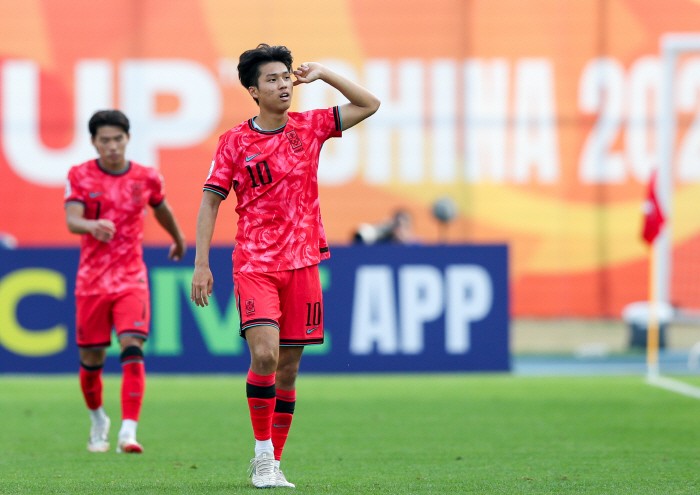
🇰🇷 South Korea: Energy, Aggression, and Clarity
Korea’s football identity remains intact — fast, vertical, and collectively intense. But what’s new is tactical sophistication and mental maturity. Key players:
- Kim Tae-won (Portimonense, Portugal) – explosive winger, already adjusting to European pace.
- Kim Myung-jun (KRC Genk, Belgium) – left-footed centre-back, potential top-tier export.
Korea’s youth production is no longer just physical — it’s tactical and export-ready. The next challenge: improve decision-making and efficiency in the final third.
🇸🇦 Saudi Arabia: Building a New Identity
Saudi Arabia’s campaign symbolized the new direction of its football development. Results were mixed, but the individual quality and tactical cohesion were noticeable improvements.
- Talal Haji (Al-Riyad, 18 years old) – emerging striker with strength and confidence.
- Farhah Al-Shamrani (Al-Wehda) – attacking midfielder with creative spark and composure.
The Saudi model is beginning to pay off: improved academies, youth investment, and international exposure are building exportable profiles.

🇦🇺 Australia: Consistency and Projection
Australia once again delivered one of the most balanced performances among the AFC teams — tactically disciplined, physically solid, and increasingly technical. The team’s core showed maturity and cohesion, led by:
- Daniel Bennie (Queens Park Rangers, England) – standout attacker and key creative link, combining intelligence, mobility, and pressing energy.
- Alex Badolato (Newcastle Jets) – elegant attacking midfielder with vision and composure in tight spaces.
- Paul Okon-Engstler (Sydney FC) – deep-lying playmaker with excellent positional sense and passing range.
A generation that reflects Australia’s evolution: from athleticism to tactical awareness and technical versatility.

Key Takeaways for Asia
- Structure is no longer the issue — continuity is. Asia now produces technically and physically capable players; the challenge is maintaining their development post-U20.
- Exportation must be planned, not improvised. Sending players abroad too early without tactical or mental readiness reduces long-term impact. Structured partnerships (club-to-club or federation-to-club) are key.
- Domestic leagues need stronger integration with youth systems. The best academies (Japan, Korea, Australia) operate vertically — from U-15 to first team — ensuring consistent methodology and clear player identity.
- Investment in competitive exposure is essential. Playing 20 international games before age 20 should be the standard for elite development.
A Short Action Plan for Asian Federations and Clubs
- Build structured international alliances. Create development partnerships with European clubs focused on long-term player growth, not short-term transfers.
- Professionalize scouting departments. Move from reactive to proactive scouting — tracking youth trends, performance data, and player readiness metrics.
- Invest in coach education and game methodology. Coaches determine how players think. Expanding access to UEFA and AFC coaching exchanges is a fast multiplier.
- Focus on mental and tactical resilience. Integrate psychological training and scenario-based game learning to improve decision-making under pressure.
- Develop export-ready profiles. Each federation should define the “ideal export player” — position, attributes, tactical role — to guide academy focus.
The Road Ahead
Asia no longer needs to “catch up.” The U-20 World Cup in Chile proved that the continent has the assests — talent, intelligence, and ambition. Now the challenge is to build systems that turn these prospects into professionals capable of competing and thriving abroad. The next decade belongs to those who can connect local development with global execution.
🔗 EFC Insight
At Elite Football Consulting (EFC), we help clubs, academies, and federations build professional football structures — from scouting departments to international partnerships. 👉 Contact us https://elitefc.co/ to learn how to develop, project, and position your talent globally.