The new U23 Generation in China is a real recruitment window: genuine CSL minutes, full‑national‑team debuts, and profiles that fit immediately in Europe’s bridge leagues. Here’s the roadmap to identify, evaluate, and capitalize on Chinese talent with both sporting and brand return.
- Proof of level: U23 players with 20–27 CSL appearances (80% games) → real competitive base.
- Validation: four U23 players debuted for the senior national team in 2025.
- European fit: Portugal, Netherlands, Belgium, 2. Bundesliga, Scandinavia and Spain’s Segunda.
- Business upside: audience growth, sponsorship and sales (Wu Lei case as reference).
1) Why now
- Competitive Base: 20–27 CSL games this season (1,500–2,400 minutes), around 80% of competition time.
- International Validation: Four senior national debuts in 2025.
- Cost Efficiency: Reasonable wages, low-risk transfers.
- Cultural Fit: Disciplined, adaptable, high work rate
| China’s U23s are no longer developmental prospects—they’re competition-tested professionals.
2) Profiles That Fit Europe
This new generation reflects the tactical evolution of Chinese football, players formed in modern CSL systems, used to high-intensity play and advanced positional concepts.
- Fullbacks: Capable of defending large spaces and contributing to buildup play.
- Centre-backs: Proactive, front-foot defenders comfortable in a high line.
- Midfielders: Holding or box-to-box types who play progressive passes under pressure.
- Wingers: Direct, vertical, and hard-working in both attack and defensive transitions.
- Goalkeepers: Commanding in 1v1 situations, confident claiming crosses, and strong distribution.
These profiles translate directly to bridge leagues such as Portugal, Belgium, Netherlands, Spain’s Segunda, or Scandinavia.
3) Real CSL minutes: the signal that changes the conversation
The top U23s in the 2025 CSL season have built their reputation through repetition and trust.
- Repeat starters: 20–26 appearances in key roles (LB/LCB, CB, LW/RW, DM, GK).
- Sustained load: Few rests and late substitutions, indicators of staff confidence.
- Functional output: Fullbacks with sprint volume, wingers arriving at the back post, and centre-backs defending in open field.
For European sporting directors, this means one thing: competitive habits already in place — not just raw potential.
4) Key U23 Players Who Debuted for the Senior National Team
Wang Yudong (2006, Left Winger, Zhejiang Pro)
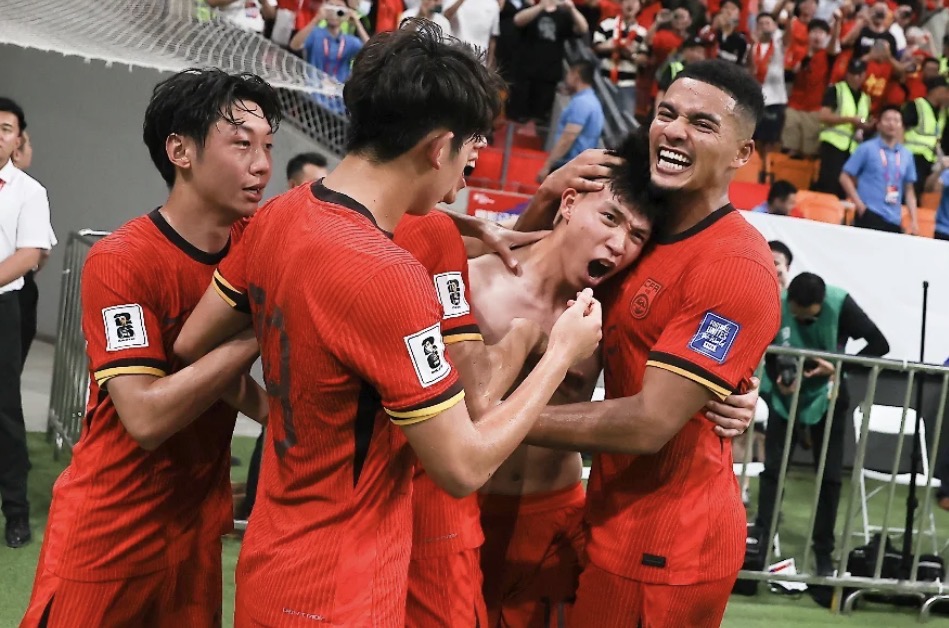
Direct, back-post threat; outside-to-inside runs, 1v1 pacing, and counterattack value. Good at pressing triggers and attacking space from the blind side.
Fit: Eredivisie, 2. Bundesliga, Belgian JPL.
Liu Haofan (2003, Centerback, Zhejiang Pro)
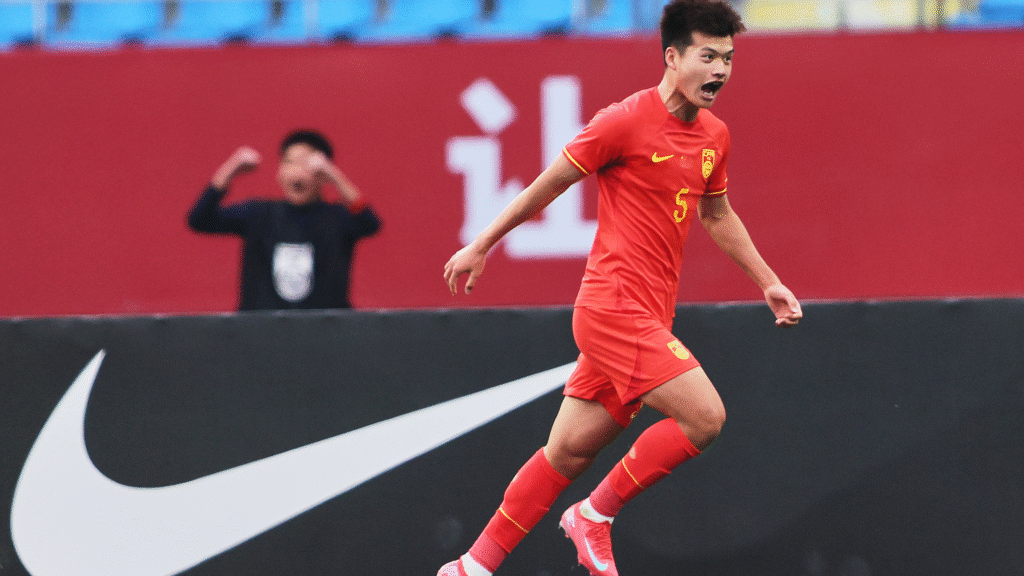
High-line centre-back, front-foot defender with recovery pace; strong in open-field defending and early vertical passes to the half-spaces.
Fit: Liga Portugal, Allsvenskan, 2. Bundesliga.
Umidjan Yusup (2004, Centerback, Shanghai Port)
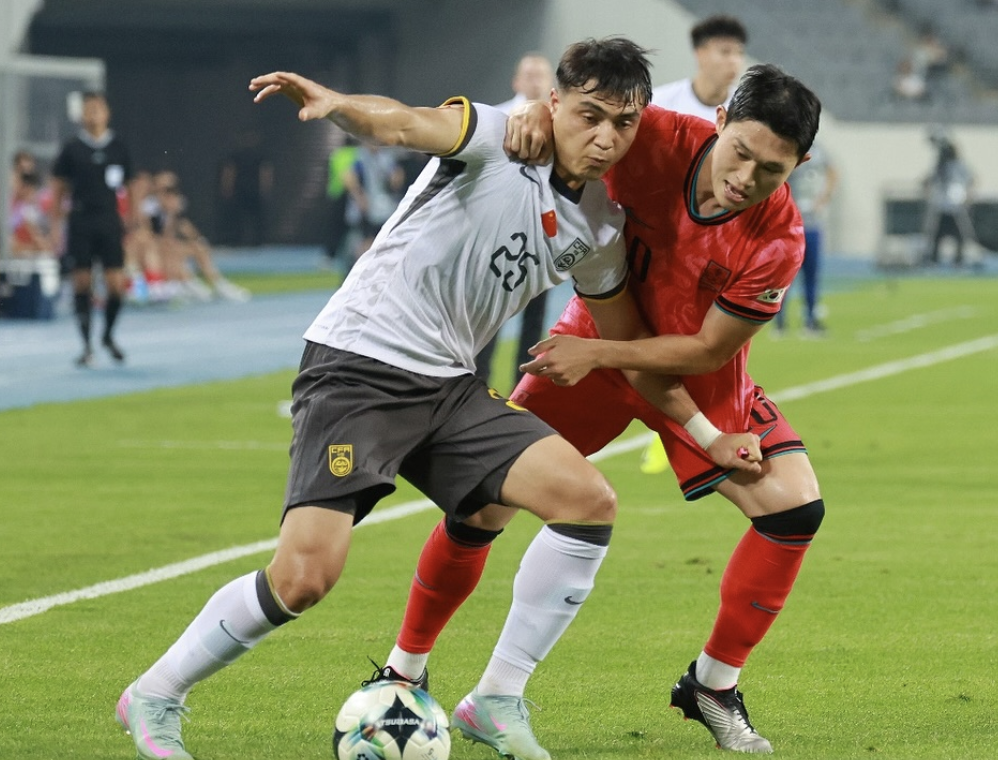
Duel-dominant centre-back with sharp timing, aerial presence, and box defending. Comfortable stepping out and carrying past the first line.
Fit: Belgium, Denmark.
Wang Shiqin (2003, Left Back, Zhejiang Pro)

Left-footer for back-three buildup; diagonal passing range and ability to carry past pressure. Alternates fullback height with LCB closures; reliable weak-side cover.
Fit: Spain Segunda, Portugal, Norway.
Liu Chengyu (2006, Forward, Shanghai Shenhua)
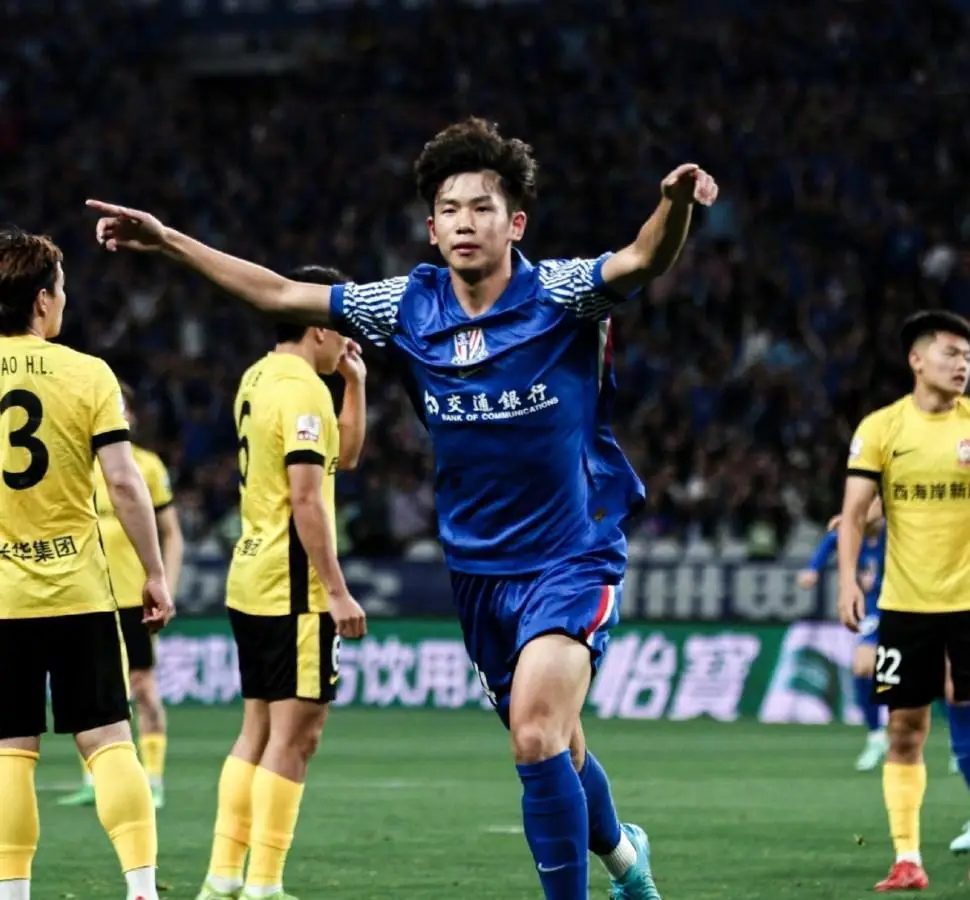
Senior debut in 2025. Direct wide forward with blindside runs and back-post threat; good 1v1 pace and pressing intensity. Can receive to feet and carry in transition; final-ball selection still developing as minutes grow.
Fit: Belgian JPL, Eredivisie, Liga Portugal.
4) Why European Clubs Should Move Now
A. Sporting Advantages
- Tactical discipline and strong work culture fit pressing and structured models.
- Fast adaptation to European tempo, supported by existing CSL minutes.
- Scarce profiles in the market: quality left-footers, defenders who can play high, and direct wingers with defensive output.
- Commitment and professionalism comparable to Japanese and Korean players.
B. Market and Brand Advantages
- Expanding club audience in China through OTT, TV, and social media.
- Access to a 1.3-billion-person market where football is now a national priority.
- Commercial activations: merchandising, localized content for Weibo, Douyin, and Bilibili.
- Opportunities for preseason tours and storytelling campaigns.
C. Case Studies
- Wu Lei (RCD Espanyol): Increased visibility, followers, and sponsor activity in China.
- Son Heung-min (Tottenham): Regional benchmark for a global Asian leader.
- Kaoru Mitoma (Brighton) & Shinji Kagawa (Dortmund): Combined performance impact and multinational sponsorship potential.
Conclusion
China’s 2001–2006 generation is the first real export-ready class — combining consistent CSL experience, senior international exposure, and the tactical profile suited for European football: pressing, transitions, and open-space defending.
For clubs in Portugal, Belgium, Scandinavia, or Spain’s Segunda, this is the perfect window to sign undervalued players with real integration capacity and commercial upside.
If your club is exploring Asian talent or planning to expand its scouting reach:
👉 Contact EFC to access detailed player reports, tactical evaluations, and shortlists tailored to your league’s style of play.