1. Why Should Asia Be on the Radar?

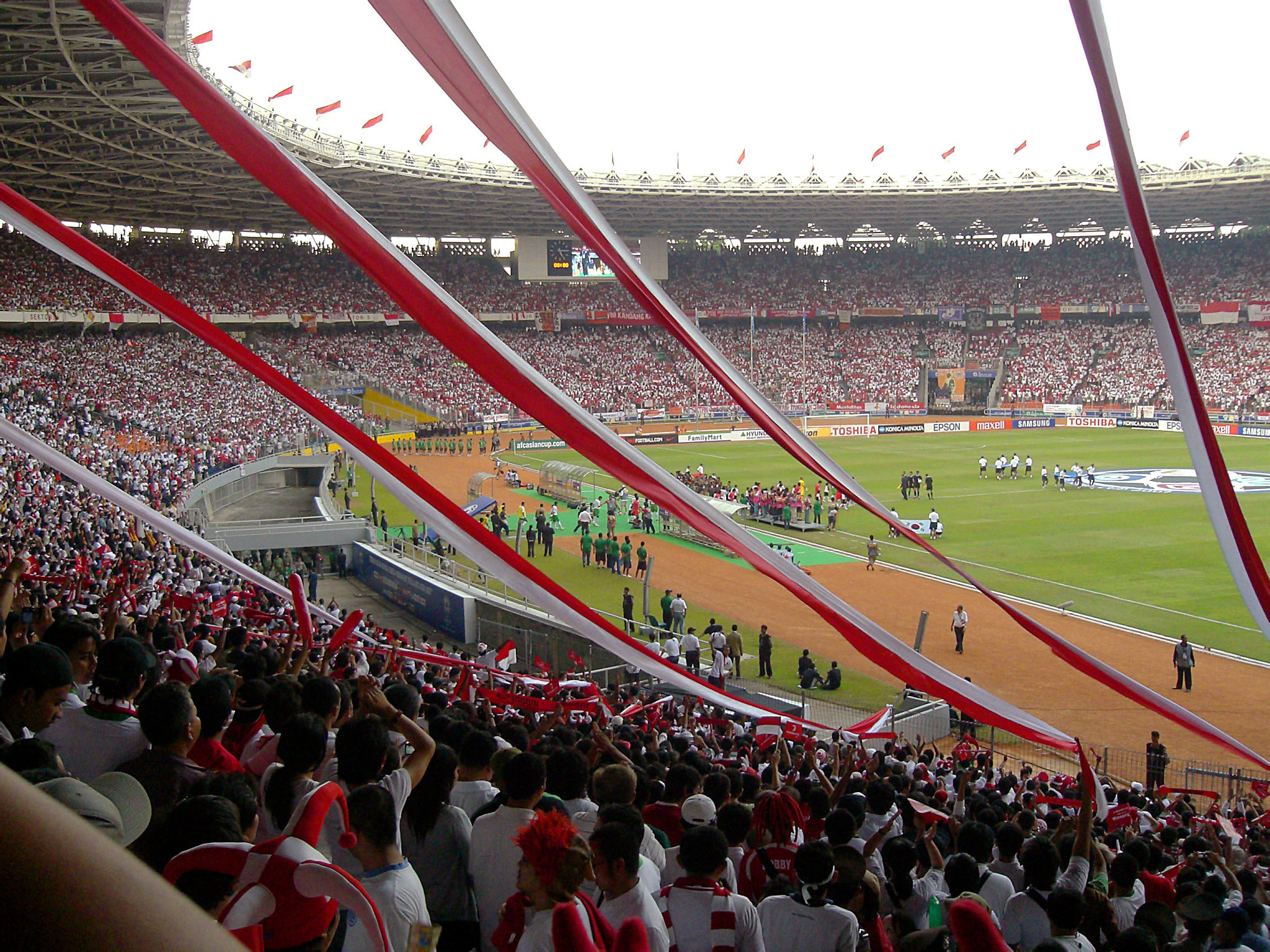
Asia is no longer a peripheral market—it has emerged as a dynamic, strategic, and increasingly influential region in global football. With its sustained economic growth, structural reforms, and an expanding young fan base, the region presents not only a cultural opportunity but also a sporting and commercial imperative. European clubs must evolve their perspective: Asia is not just a preseason destination—it is a cornerstone for the future of the game.
- Japan & South Korea: Known for their discipline, technical education, and tactical understanding, both nations have matured into reliable talent pipelines. Players like Takefusa Kubo (Real Sociedad, formerly La Masia) and Lee Kang-in (PSG, developed at Valencia CF) exemplify the results of long-term planning and education-centric football systems.
- China: After a high-profile period of signing international stars, Chinese football is refocusing on sustainable growth through youth academies and domestic talent. This shift opens avenues for development-focused collaborations.
- Southeast Asia: Countries like Indonesia, Thailand, and Vietnam boast massive fan engagement and increasing government investment. The participation of European players in Indonesia’s Liga 1 and clubs’ openness to international tournaments signals a more accessible and progressive landscape.
- India: Still in an early phase of football development, but clubs from the Indian Super League (ISL) have entered cooperation agreements with European counterparts. The growing middle class and government support could fuel long-term growth.
2. Real Opportunities for European Clubs
To capitalize on Asia’s evolution, clubs must redefine their strategy, viewing the region as an integrated football ecosystem rather than a transactional market. This approach yields sustainable, diversified benefits.
Talent Identification at Lower Cost
Asian countries offer a largely untapped reservoir of technically gifted, disciplined players, especially within the high school and university systems. In Japan, Kaoru Mitoma delayed turning professional to complete his sports science degree at Tsukuba University, providing a unique profile of intellectual maturity and tactical acumen. Similarly, Korean collegiate and school systems continue to produce high-caliber players who can adapt to international standards.
European clubs with leaner scouting budgets stand to benefit from first-mover advantage. FC Nordsjælland’s proactive global scouting includes structured ventures into Asia, demonstrating how strategic foresight opens new pipelines.
Agreements with Private Academies and Youth Clubs
Private academies and semi-professional clubs in Asia are rapidly professionalizing, many aligning their methodologies with European standards. Forming alliances with such institutions provides:
- Early access to youth players.
- Scouting visibility during internal tournaments.
- Joint content for technical training and development.
Clubs like Yokohama FC and Shonan Bellmare have built internationally active academies. In South Korea, FC KHT offers year-round programs with European exposure. China’s Evergrande Football School, once partnered with Real Madrid, illustrates the scale at which youth development is being taken seriously.
Players with Commercial Value
Asian players represent a unique dual-value proposition. Beyond their on-field capabilities, they serve as ambassadors to enormous domestic markets.
Examples include:
- Takehiro Tomiyasu (Arsenal) and Kaoru Mitoma (Brighton) have significantly elevated their clubs’ visibility in Japan and Asia. Tomiyasu strengthened Arsenal’s brand locally, while Mitoma, who emerged through Japan’s university system, expanded Brighton’s presence across the region.
- Son Heung-min (Tottenham) and Kim Min-jae (Bayern Munich): Symbolize national pride in South Korea and drive merchandise sales, sponsorships, and social media growth.
Clubs that invest in Asian talent can unlock visibility, sponsorship, and commercial deals in markets where football is growing exponentially.

International Loans as a Development Strategy
For European clubs, placing young players in the J.League or K League presents a valuable stepping stone. These leagues offer:
- High tactical discipline.
- Professional training environments.
- Reduced cultural barriers for initial international exposure.
Successful case studies demonstrate how performance in these leagues enhances maturity and prepares players for the physical and tactical demands of European football.
3. What Does an Asian Player Need to Succeed in Europe?
Technical quality alone is insufficient. Asian players require a multi-dimensional skill set to transition successfully into the European environment.
Essential attributes include:
- Tactical adaptability: Ability to shift systems and roles as required by different footballing cultures.
- Competitive consistency: Maintaining high performance under pressure and adapting to faster, more physical play.
- Personal maturity: Navigating cultural, linguistic, and professional transitions with resilience.
4. The European Club’s Role in Asia: Structure and Purpose
Rather than ad hoc engagement, clubs must pursue Asia with a defined strategic roadmap. Opportunities span far beyond player recruitment—they include institutional branding, knowledge exchange, and embedded presence.
- Technical Visits and Scouting Missions
- Clubs like PSV Eindhoven, Sevilla FC, and Eintracht Frankfurt have organized multi-country missions to assess local development models and strengthen partnerships.
- These visits help in mapping untapped talent and understanding regional football cultures.
- Exchange and Joint Training Programs
- Partnerships like that of Bali United with European clubs create a symbiotic value cycle: clubs train players and staff, and in return access talent while increasing brand awareness.
- Such programs foster local goodwill and facilitate smoother scouting operations.
- Participation in Events and Global Forums
- Events like the World Football Summit Asia or JSSL Singapore Academy 7s allow clubs to:
- Discover new talent.
- Network with academy directors, agents, and stakeholders.
- Increase their global presence and community-building potential.
- Events like the World Football Summit Asia or JSSL Singapore Academy 7s allow clubs to:
- Building Long-Term Relationships
- Forming partnerships with federations, universities, and local clubs ensures continuity.
- Real Sociedad, FC Basel, and Benfica have all established strategic ties in Asia, leading to recurring scouting benefits and brand loyalty.

5. Conclusion: A Window of Opportunity for the Prepared
Asian football talent development is not merely evolving—it has arrived. From athletic performance to market potential, the region is a key arena for the next phase of global football development.
Clubs that prepare early, build trust, and align with local realities will be best positioned to reap the rewards.
At EFC, we help clubs enter, operate, and thrive in Asia through tailored scouting systems, advisory support, and strategic frameworks that turn local complexity into a global perspective opportunity. 👉 Explore our services to expand your club into Asia.
➡️ Contact us today if you’re ready to explore scouting or partnerships in Asia