
Case Study: Age-Based Football Scouting – Methods and Insights
Learn how to apply effective age-based football scouting from youth to professional levels with key talent identification insights.
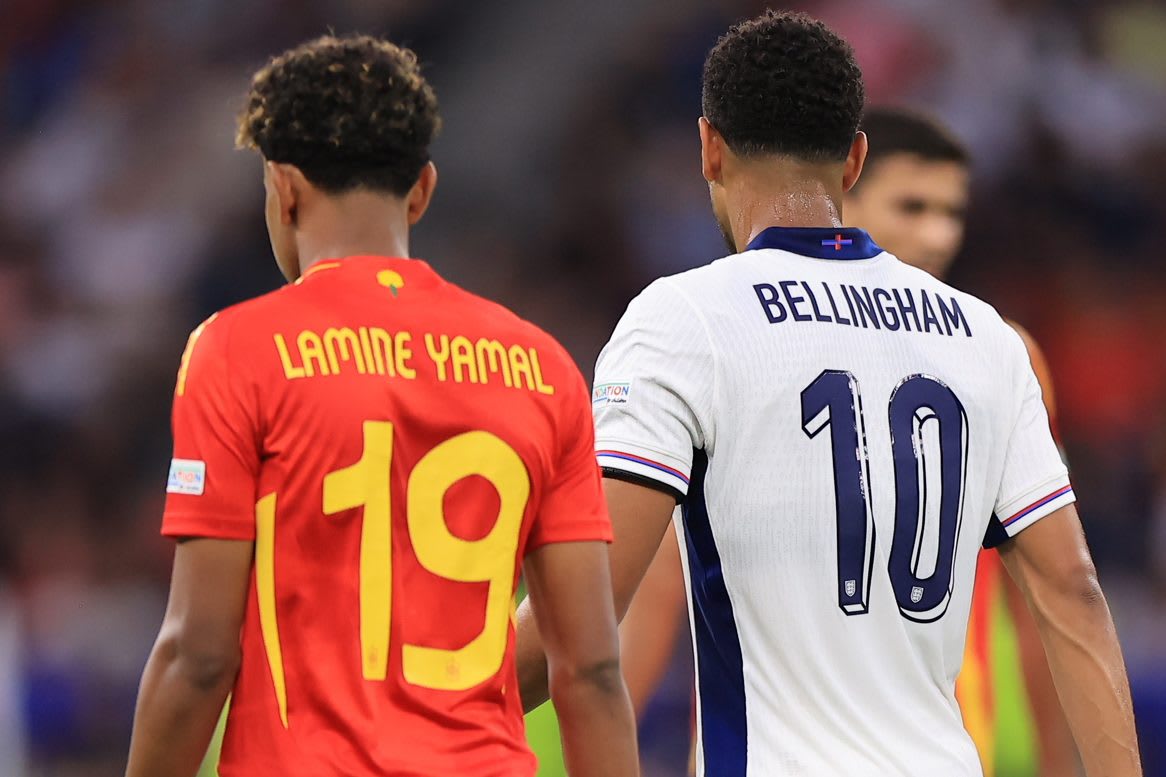
In modern football, age-based football scouting has become essential; it cannot be limited to observing what a player delivers in a single match. Scientific evidence shows that the key variables for identifying talent vary depending on age and stage of development. In this article, we present a case study applied at the EFC academy, where we structured the observation process based on the latest research.

Case: Implementing a Stage-Based Scouting System at EFC
During this season, EFC methodology department decided to reorganize its recruitment model. The objective: align player observation with scientific evidence on talent development. To achieve this, we designed differentiated evaluation templates for each age category (U8–U12, U13–U16, U17–U21, senior).
1. U8–U12: Technique and Creativity as Predictors
- —What we observed: ball control, passing with both feet, dribbling, shooting, and above all, creativity (the ability to attempt different solutions).
- —Why: At these ages, physical qualities do not predict future performance. The key factor is technical foundation and initiative with the ball (Huijgen et al., 2009).
- —How: small-sided games (3v3 and 4v4), recording successful technical actions and rating creativity on a scale.
2. U13–U16: Biological Maturation and Performance Under Pressure
- —What we observed: sprint speed (10–30 m), RSA (repeated sprint ability), 1v1 technical efficiency, and decision-making in transitions.
- —Why: Puberty creates significant physical differences. The risk is selecting only early maturers. The critical task is to differentiate biological advantage from genuine talent (Deprez et al., 2013).
- —How: measured sprint speed and RSA with timing gates/GPS, and evaluated decision-making in small-sided games.
3. U17–U21: Positional Performance and Decision-Making
- —What we observed: game vision, ball progression, passing accuracy under pressure, GPS metrics (HSR, sprints >25 km/h).
- —Why: At these ages, the differentiating factor is effectiveness in the specific positional role and the ability to sustain performance under tactical demands (Mujika et al., 2009).
- —How: video analysis combined with GPS data, plus competitive resilience scales.
4. Senior: Impact on the Game Model
- —What we observed: contribution to advanced metrics (xG/xA, pressing effectiveness, duels won), mental consistency, and leadership.
- —Why: At the elite level, physical differences are minimal. Success is explained more by tactical intelligence and psychological stability (Williams & Ford, 2008).
- —How: tracking data combined with structured psychological interviews.
Conclusions
- —Scouting must be specific to the stage of development: there is no single determinant variable across all ages.
- —Early technical training and creativity are more predictive than physical condition in childhood.
- —In adolescence, it is crucial to control for biological maturation bias.
- —At youth and senior levels, the differentiator is decision-making and positional performance.

References
- —Huijgen BC et al. (2009). Soccer skill development in professionals. J Sports Sci, 27(17). PubMed
- —Forsman H et al. (2016). Development of perceived competence, tactical skills, motivation, technical skills, and speed and agility in young soccer players. Scand J Med Sci Sports, 26(2). PubMed
- —Huijgen BC et al. (2013). Soccer skill development in talented players. J Sports Sci, 31(15). PubMed
- —Deprez D et al. (2013). Relative age effect and youth soccer talent identification: Biases and solutions. Eur J Sport Sci, 13(5). DOI
- —Mujika I et al. (2009). Physiological characteristics of youth soccer players and their relevance for future success. Int J Sports Physiol Perform, 4(4). DOI
- —Williams AM, Ford PR (2008). Talent identification and development in soccer. J Sports Sci, 26(13). DOI
Related Articles

March 8, 2026
The Asian Football Market: A Recruitment Advantage
Over the past fifteen years, many European clubs have looked at Asia primarily as a commercial opportunity. Preseason tours. Regional sponsors. Fanbase expansion. But while many clubs saw marketing, others began to see something far more...
Read Analysis
February 13, 2026
Indonesia Football Market 2026: Talent Acceleration and Structural Risk Management
Indonesia isn’t just growing, it’s repositioning itself competitively and strategically within Asian football. What we are seeing today is the result of deliberate, highpace changes post2022 that seek to elevate performance, credibility, and market...
Read Analysis
February 3, 2026
AFC U23 Asian Cup: Structure, Decision-Making and Market Insight
Japan confirms its model, China advances through process, Korea sustains intensity The recently concluded AFC U23 Asian Cup delivers a clear message to clubs, sporting directors and scouting departments: Asian U23 football is now less predictable,...
Read Analysis