
Asian Rising Stars: Wang Yudong, Yang Min-hyeok & Ryunosuke Sato
EFC analyzes Asian football prospects Wang Yudong, Yang Min-hyeok & Ryunosuke Sato, their strengths, risks, and tactical fit in Europe.
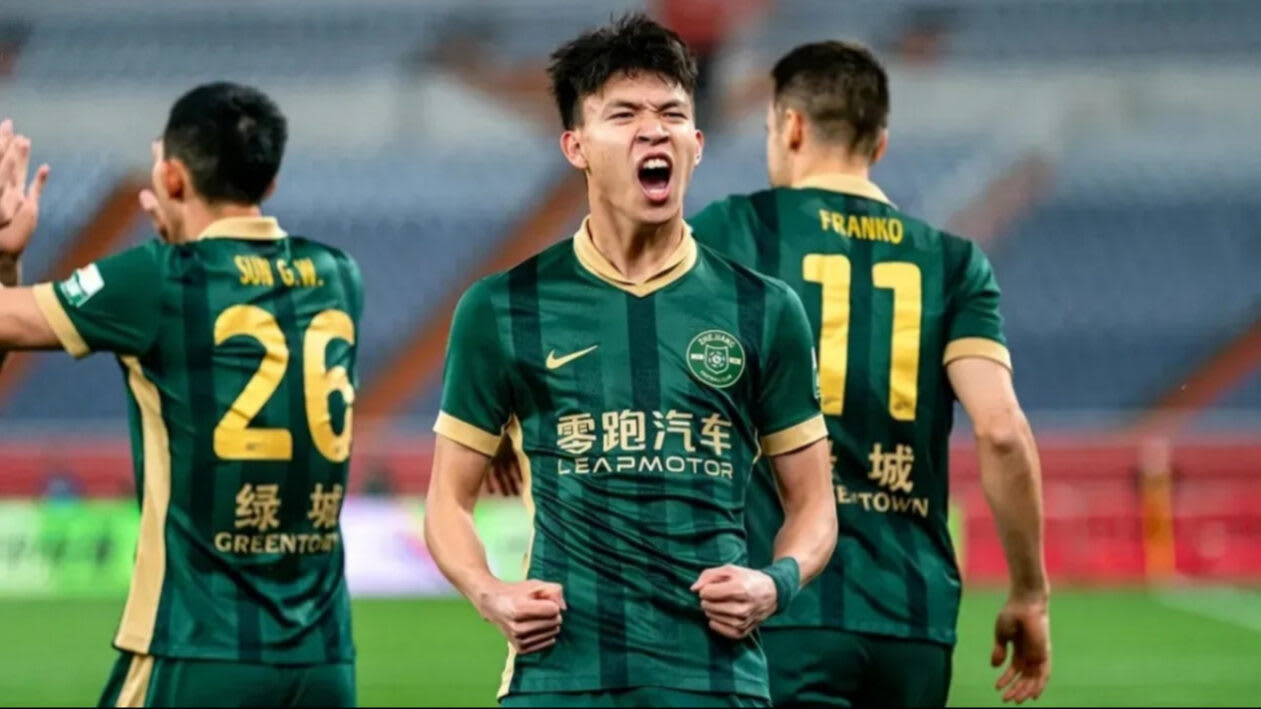
Asia isn’t just a market anymore—it’s a talent ecosystem producing players who can impact high-demand contexts. At EFC we compare three U19 prospects with standout potential, exportability, and tactical fit: China’s winger Wang Yudong, South Korea’s wide attacker Yang Min-hyeok, and Japan’s attacking midfielder Ryunosuke Sato.
EFC Methodology Framework
- —360° approach: qualitative observation (video & live scouting), league context, tactical profiles.
- —Evaluation axes: final-third impact, 1v1/disruption, final pass/creation, off-ball contribution, adaptability and development curve.
- —Exportability: fit to European styles plus an adaptation plan (physical–tactical–mental).
Three profiles. Three pathways
🇨🇳 Wang Yudong (China) – Finishing winger

🇰🇷 Yang Min-hyeok (South Korea) – High-wide threat

🇯🇵 Ryunosuke Sato (Japan) – Playmaking No.10

EFC Comparison: Where Each Player Delivers Value
Box Impact- —Wang brings immediate impact through finishing and goal threat.
- —Yang offers weak-side arrivals with disruption in transition.
- —Sato influences before the shot: creates advantages and improves teammates’ shot quality.
- —Yang leads for metres gained and open-field breaks.
- —Wang is more damaging with the final touch in scoring zones.
- —Sato destabilises via reading and timing, not raw power.
- —Sato is the standout connector; he lifts positional attacks.
- —Yang progresses by carrying and can assist after fixing the full-back.
- —Wang should keep developing his final pass to avoid being only a finishing reference.
- —Yang fits high pressing and vertical rhythm naturally.
- —Wang contributes but must standardise tracking.
- —Sato compensates with order and tactical reading.
Tactical Integration by Style of Play
- —Transition/vertical football
- —Combinative possession
- —High blocks & proactive pressing
Advantages & Disadvantages
PlayerAdvantagesDisadvantages🇨🇳 Wang YudongGoal threat from wide areas; strong runs in behind; instinctive finishingOver-reliance on scoring; limited creativity in final pass; defensive work-rate consistency🇰🇷 Yang Min-hyeokExplosive 1v1 dribbler; pace and transition impact; pressing intensityPhysical adaptation to European tempo; decision-making in end product; stamina over 90 minutes🇯🇵 Ryunosuke SatoVision and creativity; positional intelligence; link-up playLimited physicality in duels; modest goal output; needs greater direct influence in final third
Club matches & National Team (2024, 2025)
🇨🇳 Wang Yudong (China | Zhejiang FC, LW)- —Club: 2024 season — 11 CSL matches, 1 goal; 6 AFC CL Two matches, 1 goal. 2025 season (to Sept) — 24 CSL matches, 11 goals, 3 assists; 2 FA Cup matches, 1 goal. Consistent starter with multi-goal impact.
- —Senior NT: debut in March 2025; 6 caps and first senior goal in June 2025 (World Cup qualifying).
- —Club: 2024 K League 1 (Gangwon FC) — 38 matches, 12 goals. 2025 season on loan: 14 matches, 2 goals with QPR; early 25/26 appearances with Portsmouth (Championship).
- —Senior NT: first A-team call-up in August 2024; debuted in 2025, 1 cap.
- —Club: 2024 season — limited minutes with FC Tokyo. 2025 season on loan at Fagiano Okayama — 24 matches, 5 goals, 1 assist (as of Sept).
- —Senior NT: 4 senior caps for Japan so far (2025).
What EFC would recommend to a European club
- —Short term (instant impact):
- —Project with upside in high tempo:
- —Optimising positional attack:

Conclusion
Three distinct pathways to the elite: Wang offers goals and penalty-box presence, Yang brings width, rupture and intensity, while Sato provides clarity and tactical intelligence. The decision lies less in the player’s name and more in the alignment with the club’s game model, a defined minutes plan, and the capacity to develop their next step. With the right fit, each of them has the potential to become a decisive asset for ambitious European projects.
Off the pitch, they also bring valuable market and exposure opportunities. Wang can unlock commercial growth in China’s vast market, capitalising on fan engagement and media visibility. Yang has the ability to expand reach across South Korea’s vibrant football culture, driven by national pride and established ties with European audiences. Sato embodies Japan’s respected reputation for disciplined, technically refined players, a profile often welcomed by both clubs and sponsors.
Related Articles

March 8, 2026
The Asian Football Market: A Recruitment Advantage
Over the past fifteen years, many European clubs have looked at Asia primarily as a commercial opportunity. Preseason tours. Regional sponsors. Fanbase expansion. But while many clubs saw marketing, others began to see something far more...
Read Analysis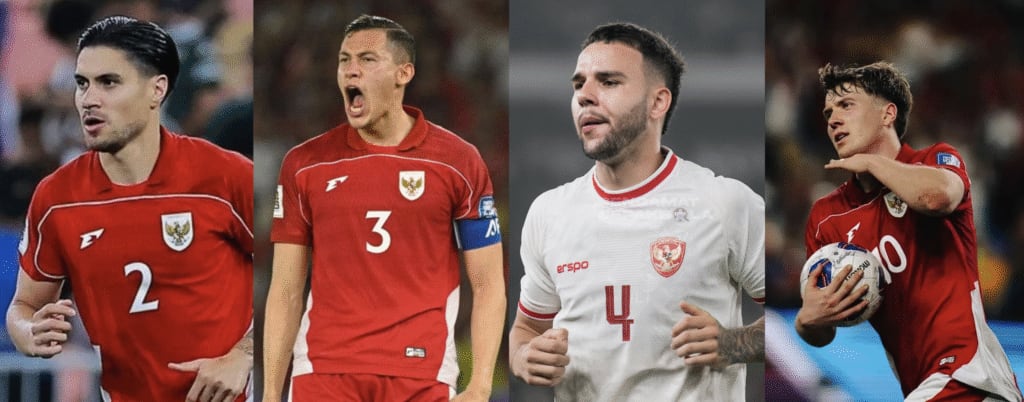
February 13, 2026
Indonesia Football Market 2026: Talent Acceleration and Structural Risk Management
Indonesia isn’t just growing, it’s repositioning itself competitively and strategically within Asian football. What we are seeing today is the result of deliberate, highpace changes post2022 that seek to elevate performance, credibility, and market...
Read Analysis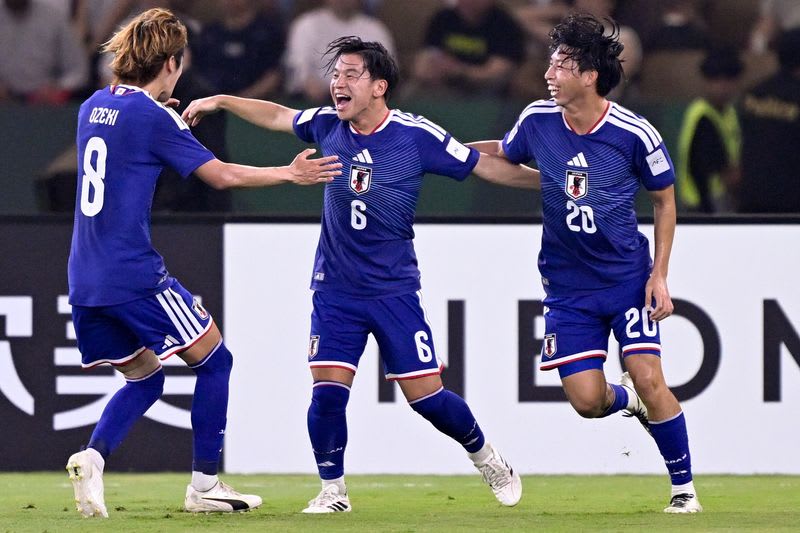
February 3, 2026
AFC U23 Asian Cup: Structure, Decision-Making and Market Insight
Japan confirms its model, China advances through process, Korea sustains intensity The recently concluded AFC U23 Asian Cup delivers a clear message to clubs, sporting directors and scouting departments: Asian U23 football is now less predictable,...
Read Analysis