
Asia Football Market: Strategic Growth in China, Japan and South Korea
The Asia football market is a key area for clubs, federations and agencies seeking sustainable recruitment strategies.
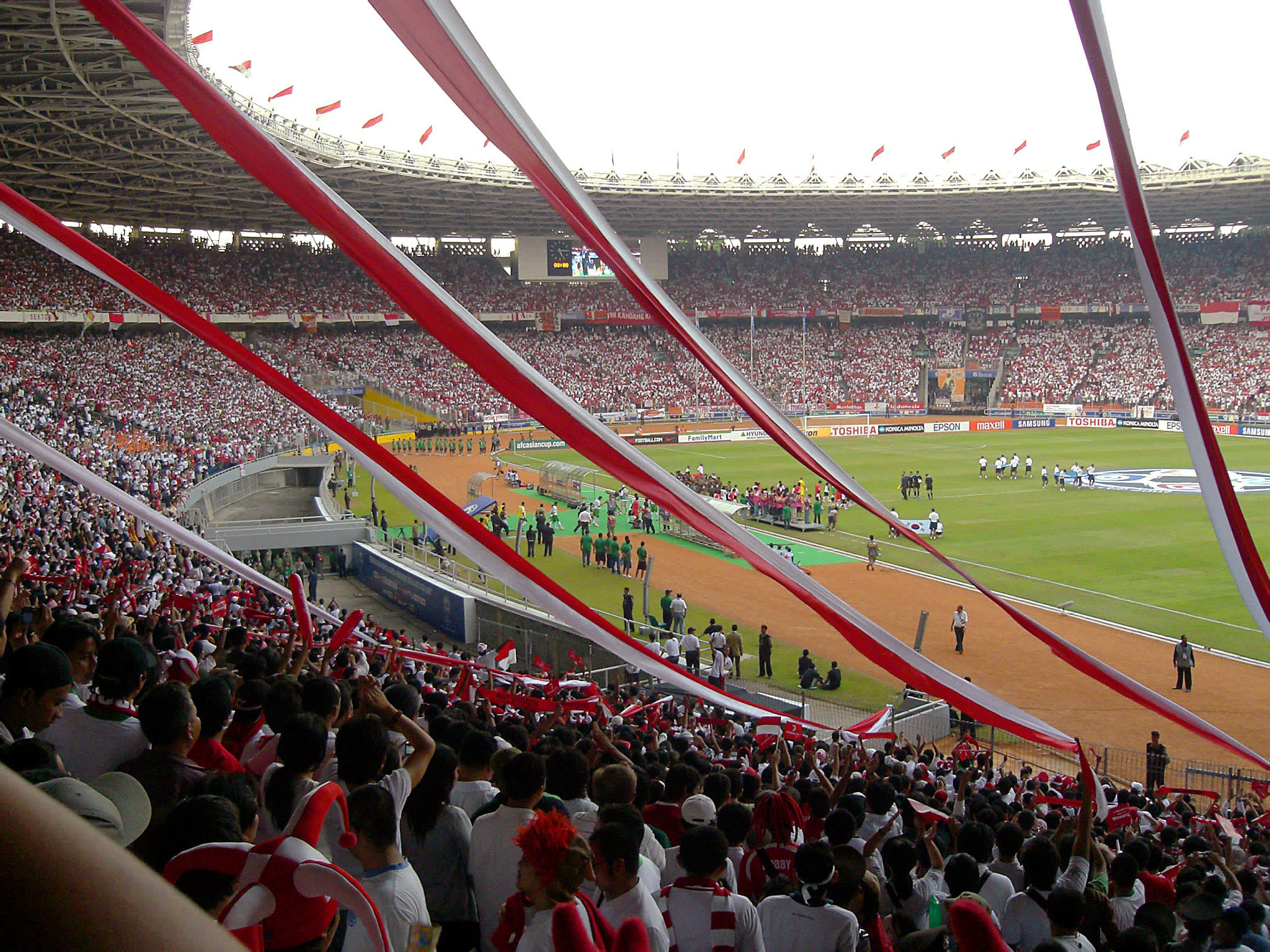
Understanding the evolution of the Asia football market in global talent mobility
The Asia football market has become one of the most influential forces in international football. Countries like China, Japan and South Korea are not only importing players — they are transforming how the global football industry recruits, structures and moves talent.
With thousands of expatriate players active in Asian leagues, the Asia football market is a key area for clubs, federations and agencies seeking sustainable recruitment strategies. At EFC – Elite Football Consultancy, we help clients understand and navigate this evolving landscape with expert insight and local execution.

China: Pragmatism After the Boom
Once the world’s most aggressive buyer, China’s football market has shifted towards regulation and long-term structure. Today, Chinese clubs focus on sporting alignment, player fit and return on investment.
Top 5 countries exporting players to China:- —Brazil
- —Argentina
- —South Korea
- —Serbia
- —Cameroon / Nigeria
Japan: Structure, Sustainability, Success
Japan stands out for its consistent governance and professional structure. The J.League has become one of the most respected hubs in the Asia football market for tactical integration and technical quality. Top 5 countries exporting players to Japan:- —Brazil
- —South Korea
- —Spain
- —Australia
- —Thailand / Vietnam
South Korea: Precision Over Volume
South Korea offers a disciplined and strategic approach to foreign recruitment. While smaller in volume, their clubs rely on quality scouting and targeted signings. Top 5 countries exporting players to South Korea:- —Brazil
- —Japan
- —Serbia / Croatia
- —Cameroon / Ghana
- —Argentina / Uruguay
Why the Asia Football Market Demands Strategy
- —Diversity of regulations: Each league has its own model.
- —Professionalism: Especially advanced in Japan and South Korea.
- —Strategic value: A region that rewards informed scouting and tailored consultancy.
What EFC Brings to the Asia Football Market
At EFC, we’ve worked with:
- —Top-division Chinese clubs during transfer windows
- —Academies and scouting departments in Southeast Asia
- —Scouting and structural consulting in Japan and Korea
Conclusion: The Asia Football Market Is Now
From Beijing to Tokyo to Seoul, the Asia football market is not the future — it’s the present. If your organisation wants to grow globally, this region must be part of your plan.
📩 Want to know how we can help your organization? Let’s talk — or connect on LinkedIn and follow our weekly insights.
📚 Source: https://football-observatory.hflip.co/RapportMensuel100Related Articles

March 8, 2026
The Asian Football Market: A Recruitment Advantage
Over the past fifteen years, many European clubs have looked at Asia primarily as a commercial opportunity. Preseason tours. Regional sponsors. Fanbase expansion. But while many clubs saw marketing, others began to see something far more...
Read Analysis
February 13, 2026
Indonesia Football Market 2026: Talent Acceleration and Structural Risk Management
Indonesia isn’t just growing, it’s repositioning itself competitively and strategically within Asian football. What we are seeing today is the result of deliberate, highpace changes post2022 that seek to elevate performance, credibility, and market...
Read Analysis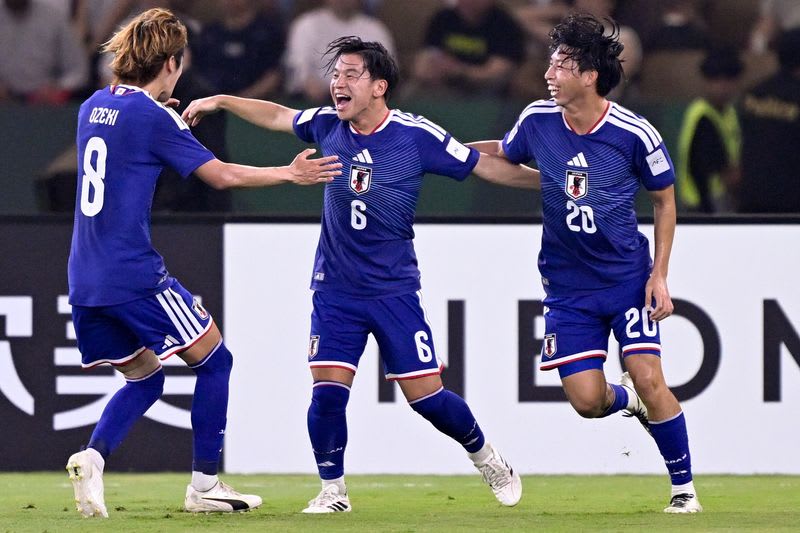
February 3, 2026
AFC U23 Asian Cup: Structure, Decision-Making and Market Insight
Japan confirms its model, China advances through process, Korea sustains intensity The recently concluded AFC U23 Asian Cup delivers a clear message to clubs, sporting directors and scouting departments: Asian U23 football is now less predictable,...
Read Analysis