
Asian Football Strategy: Where to Enter, Compete and Win in Asia
Understand how AFC competition structure defines recruitment strategy in Asia. Learn where to enter, develop and compete with a structured market approach.

The Asian football market is changing.
The new AFC competition structure (AFC Champions League Elite, AFC Champions League Two, AFC Challenge League) is not just a format update.
It is a structural redistribution of competitive power across Asian football.But most clubs are still approaching the market the same way.
They focus on where to go, instead of understanding how to operate inside the system.
And that is where decisions start to fail.
The Real Problem Is Not Talent. It Is Decision-Making
Most clubs, coaches and investors do not fail because they lack access to players.
They fail because:
- —Decisions are made under time pressure
- —Too many options without clear prioritization
- —No structured market entry strategy
- —Execution happens without timing control
In Asian football, this becomes critical.
Because wrong decisions often look right at the beginning.AFC Competition Structure: The Real Market Map
The allocation of AFC competition slots is not just a ranking system.
It defines:- —Competitive strength
- —Market exposure
- —Entry difficulty
- —Strategic pathways
- —Japan (6 slots) and South Korea (5)
- —Thailand (4 slots)
- —China (3 slots)
- —Indonesia, Malaysia, Vietnam (2 slots)
They look at the number of slots.
But they do not understand what those slots allow them to do strategically.A club entering Indonesia can reach continental competition faster than entering Japan.
But the level of validation is completely different.The Structural Errors Behind Poor Decisions
1. Entering Top Markets Without an Edge
Japan and South Korea are not growth markets.
They are efficiency and validation markets:
- —Advanced scouting ecosystems
- —Strong domestic talent pipelines
- —High competition for profiles
- —Inflated acquisition costs
- —Limited playing opportunities
- —Low strategic impact
2. Skipping the Market Pathway
Asian football is not a single market.
It is a progression system.
Clubs that ignore this:
- —Misplace players in the wrong environments
- —Lose development time
- —Reduce long-term transfer value
3. Confusing Exposure With Strategy
Playing in AFC competitions is often misunderstood.
Visibility alone does not create value.
Without structure:
- —Players are not developed correctly
- —Clubs do not gain real positioning
- —Transfer outcomes are inefficient
The Asian Market Is a Positioning System
The market is not defined by geography.
It is defined by function.Each league plays a role:
- —Japan / South Korea → Validation
- —Thailand / China → Positioning
- —Indonesia / Vietnam / Malaysia → Development
- —Micro-markets (Singapore, Hong Kong, Philippines) → Exposure
Market Reality: Cost, Timing and Execution
Most clubs underestimate three critical variables:
Cost Inefficiency
Entering top markets without structure increases:
- —Transfer fees
- —Salary demands
- —Agent competition
Timing
The Asian market is highly timing-dependent:
- —Player availability cycles
- —Registration windows
- —Foreign player quotas
- —Club budget timing
Execution Feasibility
Not every transfer is executable:
- —Contract situations
- —Adaptation risk
- —Squad structure
- —Coaching context
League-Level Strategic Interpretation
Japan & South Korea
- —Maximum validation
- —High entry cost
- —Limited margin for error
Thailand
- —Strong infrastructure
- —Competitive balance
- —Openness to foreign profiles
China
- —Reduced speculative spending
- —More controlled opportunities
- —Higher focus on structure
Indonesia
- —Strong commercial growth
- —Increasing professionalization
- —Access to continental exposure
Emerging Micro-Markets
- —Singapore
- —Hong Kong
- —Philippines
How Smart Clubs Actually Approach Asia
Clubs that succeed follow a structured model:
- —Define objective: compete, develop or trade
- —Select the right market based on that objective
- —Align budget with market reality
- —Build structured shortlists (Plan A / B / C)
- —Control timing before the transfer window
The Hidden Cost of Bad Decisions
Every wrong decision leads to:
- —Capital loss
- —Poor player progression
- —Blocked squad planning
- —Missed future opportunities
Conclusion: Positioning Before Execution
Asian football does not reward:
- —The biggest budget
- —The fastest decision
Because in this market:
Where you enter matters less than how you enter.EFC Insight
At Elite Football Consultancy, we work at a very specific point:
Making the right decision before execution.We support clubs with:
- —Transfer window structuring (60–90 days in advance)
- —Profile definition and market alignment
- —Risk reduction (sporting and financial)
- —Execution support
Are You Positioned Correctly in Asia?
If your club is planning to operate in Asia:
The risk is not missing talent.
It is making the wrong decision with the right player. → Apply for Advisory → Access EFC IntelligenceRelated Articles
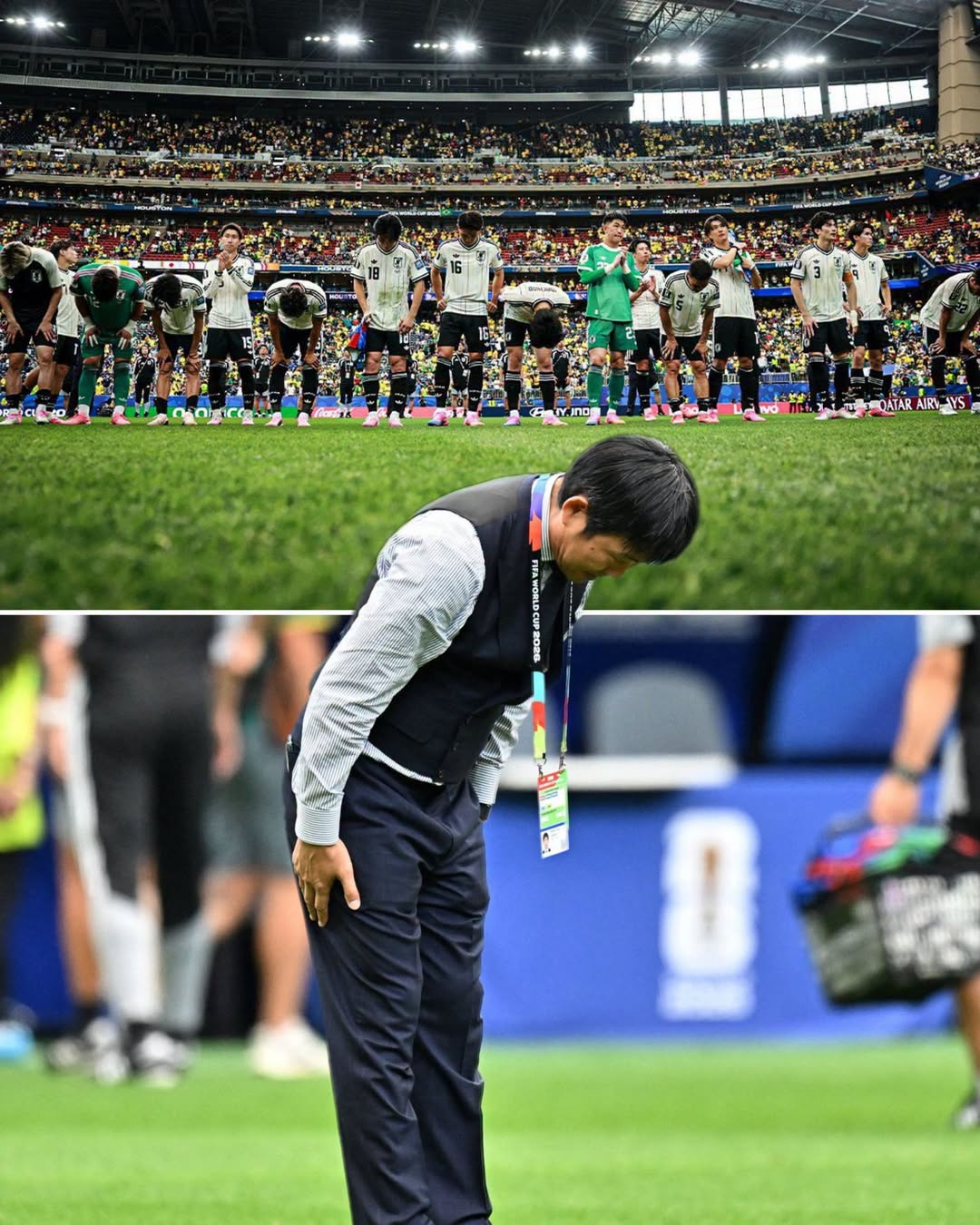
July 2, 2026
Asian Football at the 2026 FIFA World Cup: Talent Is Not Enough
The 2026 FIFA World Cup did not expose a lack of talent in Asian football. It revealed something far more important: Asia is no longer one football market. This article analyses what Japan, South Korea, Uzbekistan and other Asian nations tell us about the future of football recruitment and why clubs need a new framework to understand the region.
Read Analysis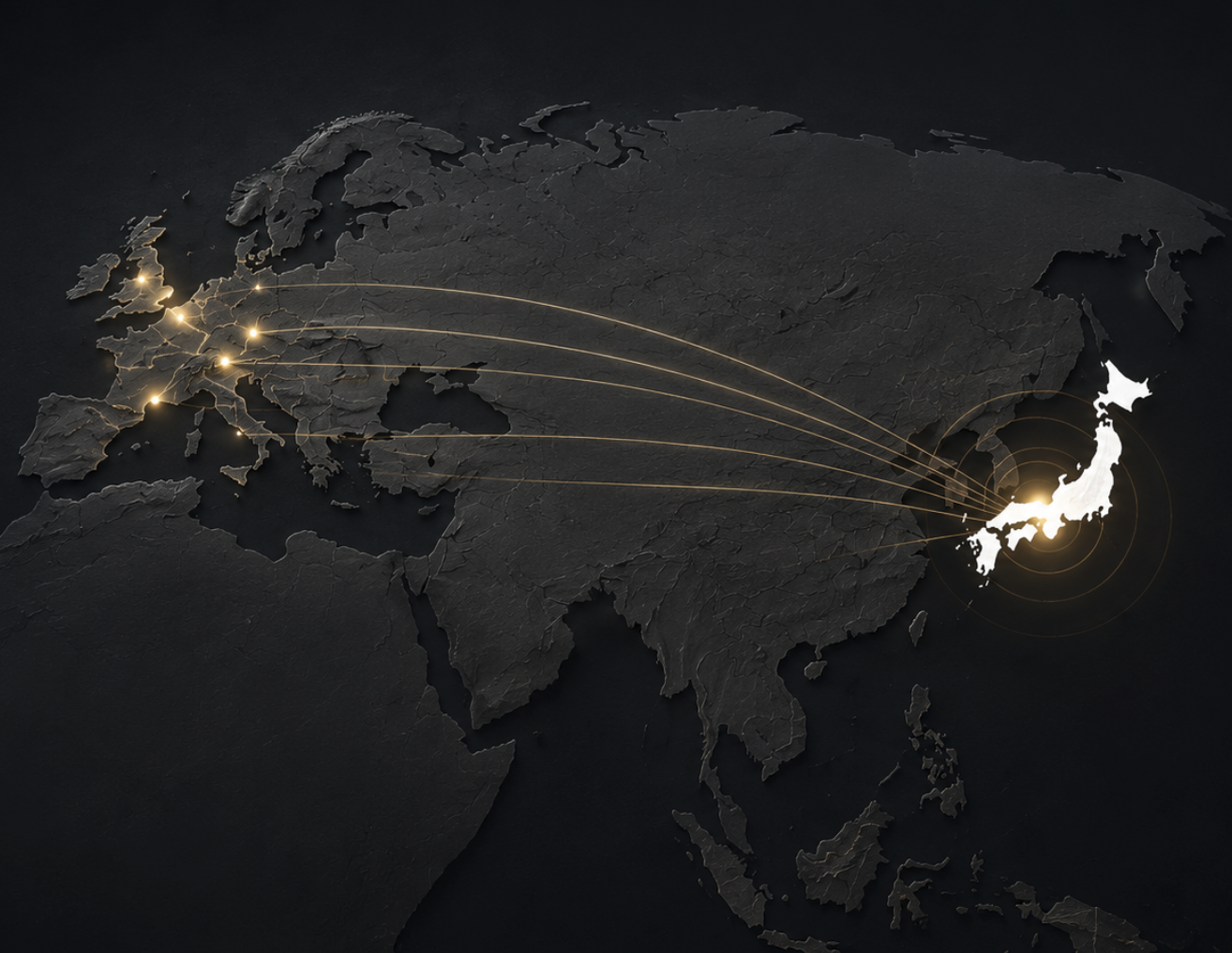
June 12, 2026
Why Japan Is Becoming One of Football's Most Strategic Global Partners
Read Analysis
May 19, 2026
Why Strong Foreign Signings Still Fail In Asian Football
Many foreign signings fail in Asian football not because of talent, but because clubs misread tactical fit, adaptation risk, league context and recruitment structure. This case study analyzes why strong CVs do not always translate into successful recruitment across Asian football markets.
Read Analysis